

Celebrating 25 Years of TIRF Doctoral Dissertation Grants: A Legacy of Research and Impact
Editor’s note: TIRF Trustee Kathi Bailey reflects on 25 years of the Foundation’s Doctoral Dissertation Grants program, highlighting its growth, lasting impact, and the perspectives of those who have helped shape and benefit from the initiative.

Twenty-five years ago, TIRF issued a call for proposals for its first Doctoral Dissertation Grants (DDG) program. The Foundation’s first Trustees created this initiative, in part, because they had seen many cases where aspiring scholars completed their doctoral coursework but were unable to finish their degrees for various reasons – some of them financial in nature.

The first DDG recipient was Steven Talmy. At the time, he was a doctoral candidate in Second Language Acquisition at the University of Hawaiʻi at Mānoa. He is now a professor in the Department of Language and Literacy Education at the University of British Columbia.
Since that time, there have been 253 Doctoral Dissertation Grant recipients representing approximately thirty countries. As reported in the October issue of TIRF Today, in 2026 there were 13 awardees, representing five countries: Argentina, China, Egypt, South Korea, and Türkiye.
The DDG program’s growth and success have been made possible through the generosity of numerous partners and individual donors. TIRF extends its sincere appreciation to all those who have supported this initiative over the years. Their contributions have helped advance the research of emerging scholars and strengthen the field of English language education worldwide.
As we celebrate 25 years of DDG funding, we invited several individuals connected to the program to reflect on its growth, significance, and lasting impact. A founding TIRF Trustee, Dick Tucker, had this to say: “As I reflect on the development of the DDG program over the past quarter century, I am astounded by its unbelievable growth and the widespread contributions to important dissertation work by so many diverse scholars who will go on to become leaders in our field. This is a development that we had hoped for but, in all honesty, did not see evolving so quickly. On behalf of the leaders in our profession, I look forward to the continuing growth of the program.”

Jodi Crandall & Dick Tucker
Jodi Crandall, another founding TIRF Trustee, shared these thoughts: “As someone who was on the TIRF Board when we began these DDG awards, I still can’t believe that we have had 25 years of the incredible contributions made by those DDG recipients through their research and the many leadership positions they have held after completing their degrees. Several are serving as DDG Fellows for TIRF, reviewing grant applications, and providing mentoring support to future scholars. The DDG awardees represent an increasingly diverse group of scholars focused globally on issues in English language education. The continuation, or even expansion of these DDG awards (if funding permits), will certainly extend their impact on future scholars and on our field.”
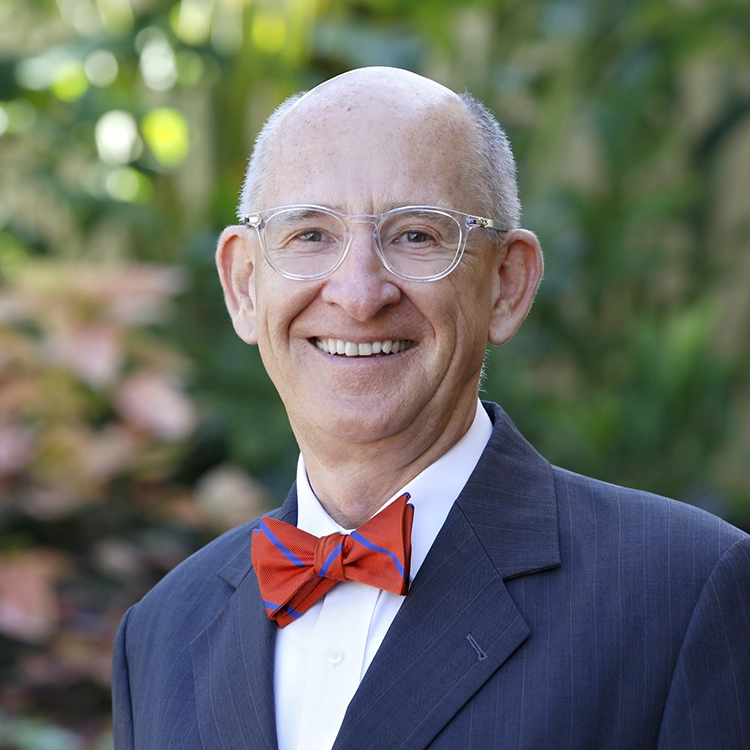
Former TIRF President Neil Anderson shared these reflections: “I served on the Board of Trustees of TIRF from 2002-2008, in the role of Chairperson from 2004-2006. It was during my time on the Board that the Doctoral Dissertation Grants began. I am impressed with the impact of the grants over this period of 25 years. I did not imagine in 2002 that 253 awardees would receive a total of over $600,000 in funding for their doctoral studies. This is an impressive achievement. For me, the most important impact of the DDGs is the funding awarded to individuals in teaching contexts outside of North America and Europe. These individuals may not have received funding to further their research without the support from TIRF. The impact of the research conducted by these scholars influences teaching and learning of languages worldwide. I congratulate the recipients who have received funding. I also encourage colleagues to contribute to TIRF so that more awards can be funded in the next 25 years.”

Donald Freeman also served as the President of TIRF. He wrote, “It is both humbling and inspiring to see the Doctoral Dissertation Grants awards reach their 25th year. Twenty-five years of that work has led to important, durable impacts. It is also inspiring to witness the trajectory of inclusion. Since 2002, the DDG funding awarded has totaled more than USD 600,000. It’s a substantial achievement for what started out as a modest idea: supporting scholars to complete doctoral dissertations in TESOL. While the dollar-amounts of the individual awards are not enormous, they have far-reaching impact. This year, all 13 of the awardees are women. They come from Argentina, China, Egypt, South Korea, and Türkiye — all countries in which English is not a national language.”
Donald continued, “The DDG’s have been a key on-ramp for many; supporting these new scholars in building a global cohort of researchers that bring new voices and perspectives. TIRF’s instigators should be very proud to know the reach and impact their vision has achieved.”

Beth Clark-Gareca was a DDG awardee in 2012. She is now a professor in the Department of Teaching, Learning, and Educational Leadership at Binghamton University. She said, “TIRF provided me with invaluable encouragement and mentorship during the dissertation phase of my doctoral program, and continues to be an important source of professional and scholarly support in my work as a professor. My connection to TIRF has remained strong over the years, and now, as a DDG Fellow, I am fortunate to work alongside other DDG Fellows and new award recipients. It’s full circle and feels tremendously gratifying to be part of such a dynamic and supportive community.”
Finally, DDG recipient Yingzhao Chen works at the Centre for English Language Communication (CELC) at the National University of Singapore. She wrote, “The TIRF DDG award has meant a lot to both my dissertation project and my development as a researcher. The funding enabled me to recruit more participants, achieve adequate statistical power, and carry out a methodologically rigorous experiment for my dissertation. Receiving the award was an important affirmation of my work and an acknowledgement of my ability to design and conduct a sound experiment. More than the financial support, it gave me the confidence and encouragement to continue pursuing a career in research.”

Yingzhao added, “Since then, I have gone on to apply for other TIRF grants. TIRF has continued to support my journey as I grow as a practitioner in English language teaching and explore classroom-based research. I am grateful for the role TIRF has played in supporting me at different stages of my development.”
In recent years, there have been over a hundred applications annually. The quality of the proposals and the diversity of the research topics they involve has continued to increase, as young scholars from around the world have learned about TIRF and the DDG program.
Although the total amount awarded in this past quarter of a century has been over $600,000, every year, there are numerous proposals that are worthy of funding if TIRF had more funds available to distribute. This fact remains: Budget constraints limit the number of worthy applicants TIRF can support. As we celebrate 25 years of supporting emerging scholars, we also look toward the next quarter-century of DDG funding. With continued generosity from our supporters, TIRF can extend the program’s reach and help more promising researchers contribute to the future of English language education.